
Roll Forming Machine Quotation Checklist
The exact information an engineering team needs to prepare a useful, comparable proposal.
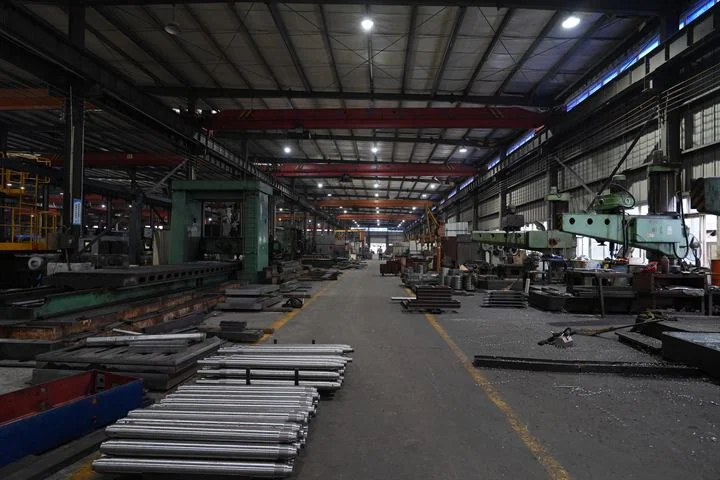
A reliable roll forming machine quotation starts with nine inputs: the dimensioned profile, material grade, thickness range, hole pattern, finished length, required output, coil data, destination electrical standard and acceptance method. Supplying these items lets different proposals be compared on the same production task.
Information to send with your inquiry
| Required input | What to provide | Why it changes the quotation |
|---|---|---|
| Dimensioned cross-section | Web, flange, lip, bend radii, angles and critical tolerances; DWG, DXF or a clear PDF is preferred. | Defines the roller tooling, adjustment range and forming sequence. |
| Material | Steel grade, coating or finish, and minimum and maximum thickness. | Influences forming load, drive selection, tooling detail and test material. |
| Holes and operations | Hole or slot dimensions, location, quantity, marking and any notching. | Determines punching method, control logic and realistic cycle time. |
| Finished product | Cut lengths, length tolerance and how parts will be collected or stacked. | Guides cutting and run-out handling configuration. |
| Required output | Pieces per shift or monthly tonnage, with representative lengths and hole patterns. | Prevents an unloaded forming-speed figure from being mistaken for real production. |
| Coil data | Coil inner diameter, outer diameter, maximum weight and strip width range. | Defines the decoiler, loading method and coil-handling scope. |
| Installation site | Destination country, voltage, frequency, phase, available floor space and lifting equipment. | Sets the electrical package, layout and installation requirements. |
| Documents and safety | Required language, guarding, applicable standard and document list. | Clarifies supply scope before purchase. |
| Acceptance method | Sample material, profiles to test, measurements and documents required at inspection. | Creates an objective basis for factory acceptance. |
Minimum package for an initial review
- A readable cross-section with all main dimensions.
- Steel grade and full thickness range.
- One typical hole schedule and finished part length.
- Destination country and power supply.
- Target pieces per shift, monthly tonnage or another measurable output goal.
If final drawings are still being approved, mark them as preliminary. The supplier can discuss a likely configuration, but tooling and guaranteed values should remain subject to the approved drawing.
Why a model name is not enough
Two buyers may both request an automatic C/Z purlin machine but need different punching layouts, material ranges, changeover methods and handling systems. Even within the same profile family, a frequent hole pattern can govern output more than the forming section. A serious proposal therefore records the production assumptions behind every quoted value.
How to compare two roll forming machine quotes
Direct answer: put both offers against the same approved drawing, material range, hole schedule, finished length, target output and acceptance method. Then mark each module and service as included, optional, excluded or unconfirmed. A headline total is not comparable until the scope and evidence behind it match.
To normalize the commercial totals after matching the technical scope, use the roll forming machine cost comparison and editable worksheet. It separates quoted modules and exclusions; it does not provide a generic machine price or guaranteed payback.
Download the blank side-by-side quotation comparison worksheet (CSV). Enter one buyer requirement for each row, then copy the wording and evidence from Offer A and Offer B into separate columns. Mark each item included, optional, excluded or unconfirmed; leave missing values blank rather than assuming they are covered. The worksheet is a comparison aid, not a supplier quote or an acceptance record.
| Comparison point | Check in each offer | Evidence or decision needed |
|---|---|---|
| Profile and material | Drawing revision, steel grade, coating and thickness range | Same production task and approved input specification |
| Punching and cutting | Hole operations, cut length range and automation scope | Sample hole schedule and finished part requirements |
| Coil handling | Decoiler, loading method, coil weight and strip width | Coil data and marked included or optional modules |
| Run-out and stacking | Collection table, support and stacker scope | Finished length and target handling method |
| Electrical and site fit | Voltage, frequency, controls, guarding and layout | Destination site requirements and layout drawing |
| Trial and support | Trial material, measurements, documents, installation, training and spares | Written acceptance plan and responsibility split |
For example, if one offer includes punching and a stacker while another lists them as options, ask both suppliers to re-state the same configuration before comparing totals. This is an illustrative comparison, not a customer case or a measured performance result. Record unresolved rows as unconfirmed rather than assuming they are included.
For long profiles, ask each supplier to show where the finished part is supported after cutting and whether manual collection, a run-out table or a stacker is in the quoted scope. The long-profile run-out support review lists the drawing, sample length and handling checks to agree before comparing offers; it does not assert a tested capacity for a specific line.
How Halcyon reviews the request
- Drawing review: confirm profile geometry, material and tolerances.
- Process planning: define forming, punching, cutting and handling sequence.
- Line configuration: select the changeover method, modules, control and layout.
- Technical proposal: state included scope, exclusions, assumptions and acceptance basis.
For an automatic C/Z line, see the automatic C/Z purlin roll forming machine page. To prepare the profile itself, use the profile drawing guide.
If the purlin machine type is still open, compare the required C and Z drawings with the purlin roll forming machine selection guide before requesting an itemized offer.
Different products need different trial evidence. For a roof sheet roll forming machine, include the approved panel drawing, side-lap direction and effective cover-width check. For a stud and track roll forming machine, send both the C-stud and U-track drawings, punching layout and the sample-fit criteria. These product-specific inputs help the factory team quote the line and plan a relevant acceptance test.
Common causes of a delayed or misleading quotation
- A screenshot of a profile with missing dimensions.
- Thickness stated without steel grade or coating.
- A requested headline speed without the actual hole schedule and cut length.
- No coil weight, destination voltage or workshop constraints.
- Comparing quotations that include different punching, handling, testing or installation scope.
For an EU-destination machine, review the CE marking and machine-quality buyer checklist separately from the production trial. A generic certificate image does not show that the quoted model meets the applicable requirements or your output target.
For a cross-border order, use the US, Australia and EU import handover checklist to reconcile the contract seller, machine identity, trial record and shipment paperwork before dispatch.
Frequently asked questions
Ready for an engineering review?
Send the profile drawing, material, thickness, hole schedule, target output and destination. We will identify missing inputs before preparing the proposal.
Send your drawing and requirementsAgree the machine trial before comparing offers
What should a roll forming machine trial record include?
Record the drawing revision, actual trial material, features to measure, agreed tolerances, sampling plan and responsible reviewer. A production video supports process discussion; it does not replace a measured acceptance record.
| Review item | Buyer action |
|---|---|
| Drawing and material | Identify the approved drawing revision, profile size, steel grade, coating and measured trial thickness. |
| Inspection points | List the dimensions, hole positions, cut lengths and surface features to check; agree tolerances before the trial. |
| Evidence to retain | Record the measuring instrument, sample identification, measured result and reviewer. Mark unresolved items and the agreed next action. |
Download the blank planning worksheet (CSV)
This editable worksheet is a planning aid, not a completed inspection report or a guarantee of machine performance. Agree the final procedure with the supplier for your ordered configuration.
Related: quotation checklist · finished production output · factory layout planning.
Updated 29 September 2026 · Halcyon Machinery
New buyer guide: Drive-system comparison checklist.