
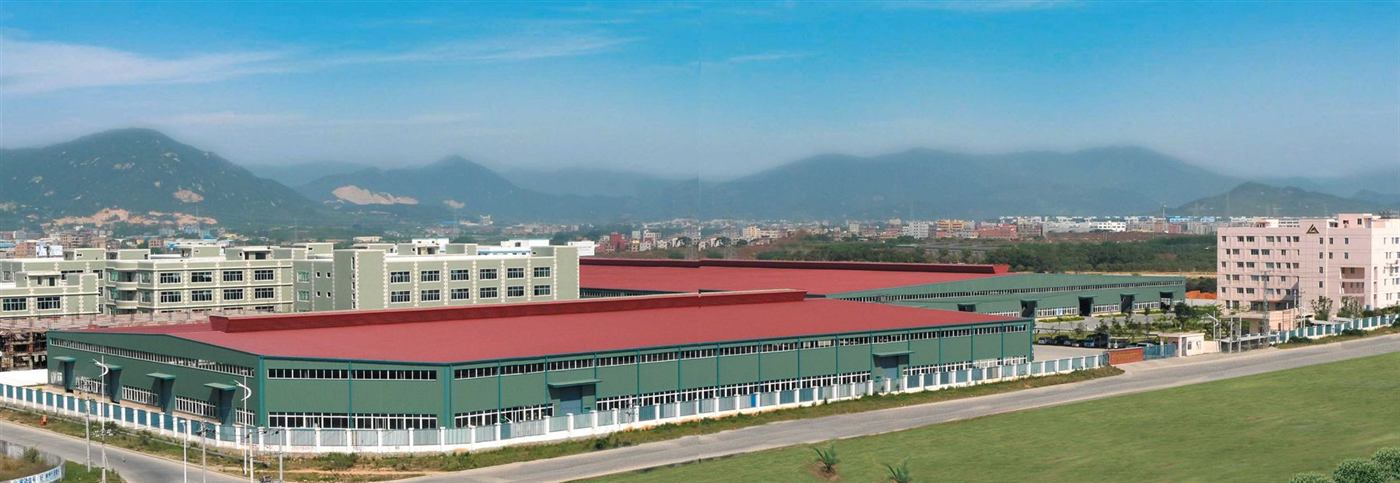
See How Each Roll Forming Line Is Built
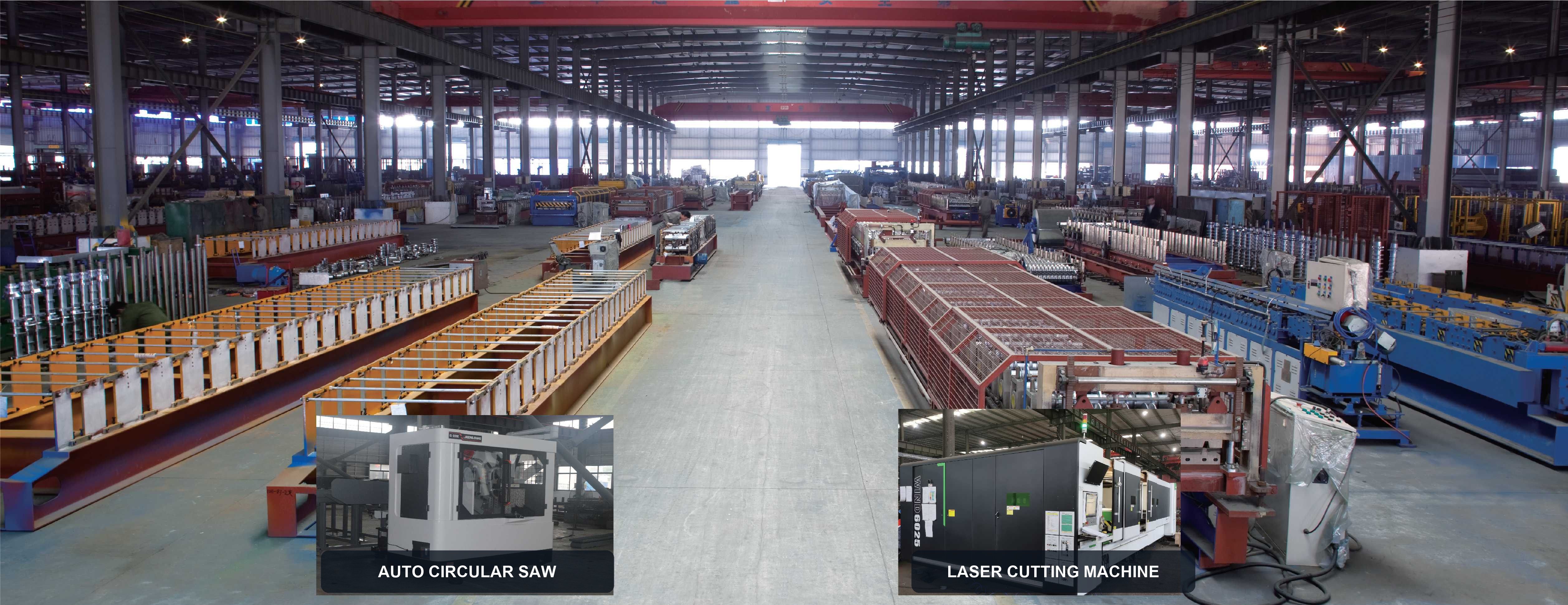
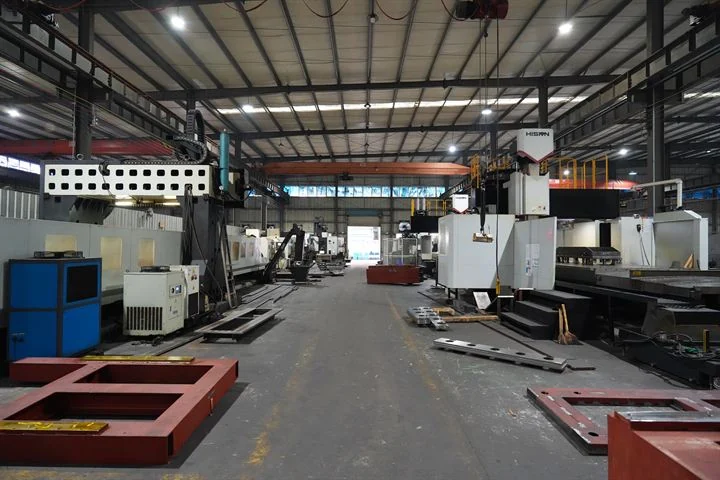
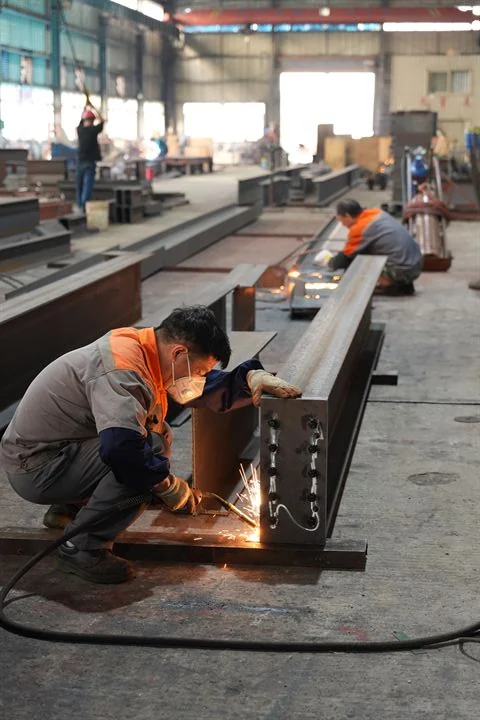
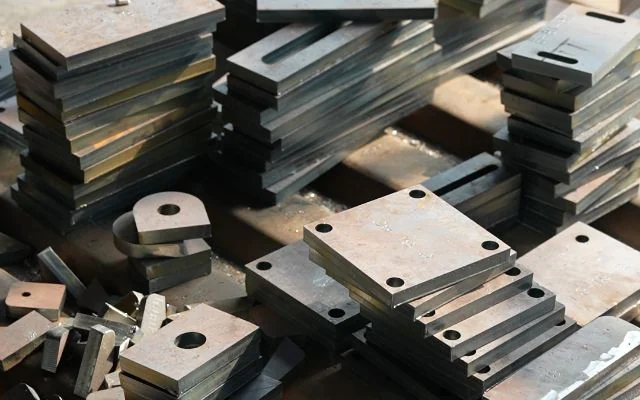
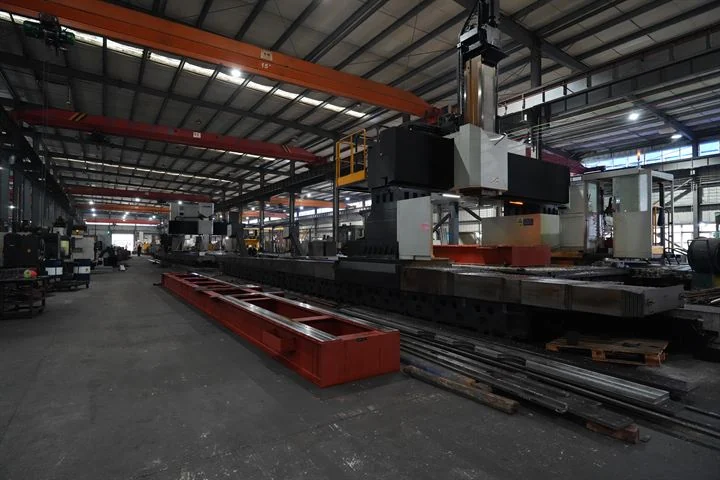
Real workshop photographs show the manufacturing sequence behind the roll forming equipment built at our Xiamen production base: component preparation, machining, frame fabrication, station assembly, alignment and test running.
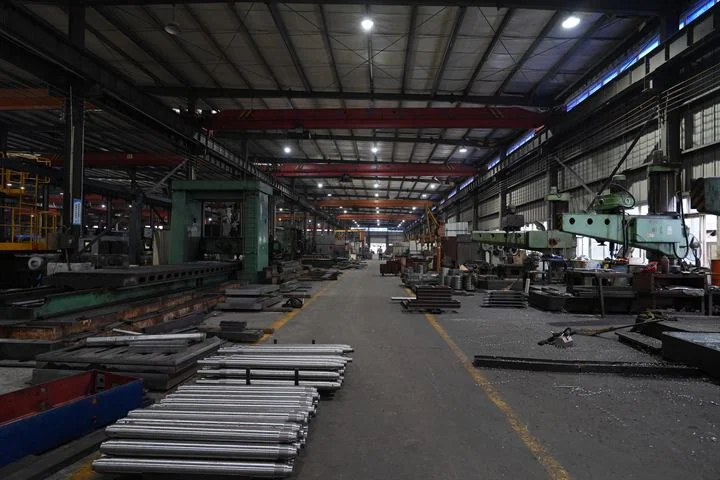
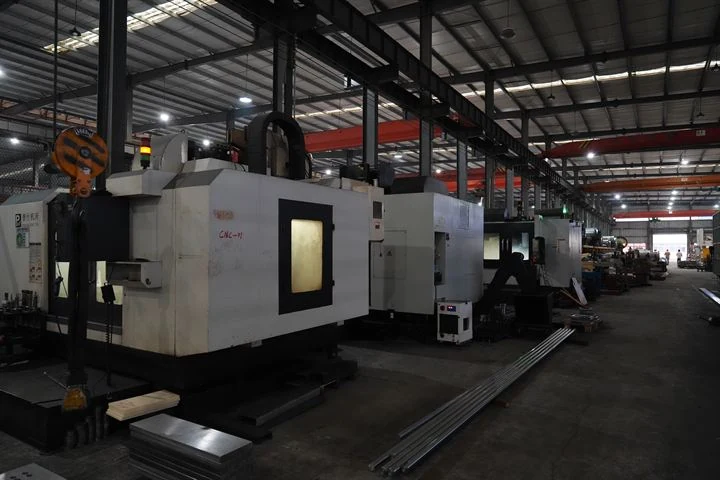
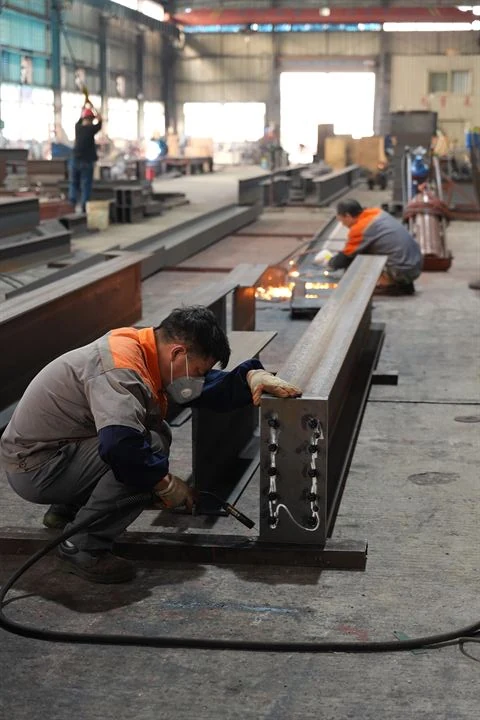
A production floor organised around the machine-building sequence
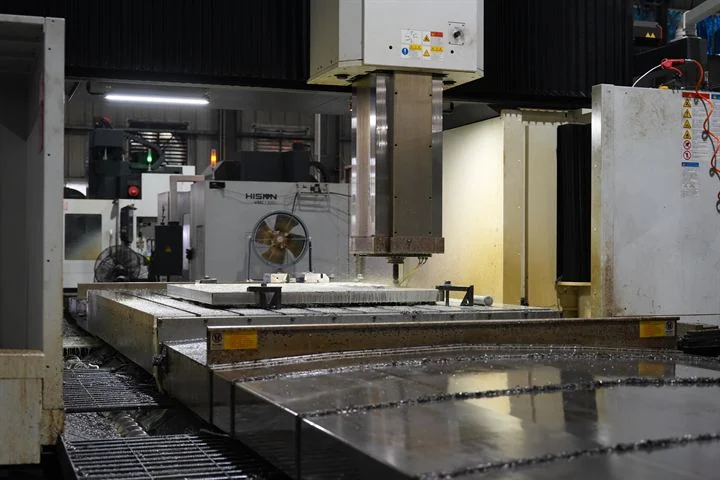
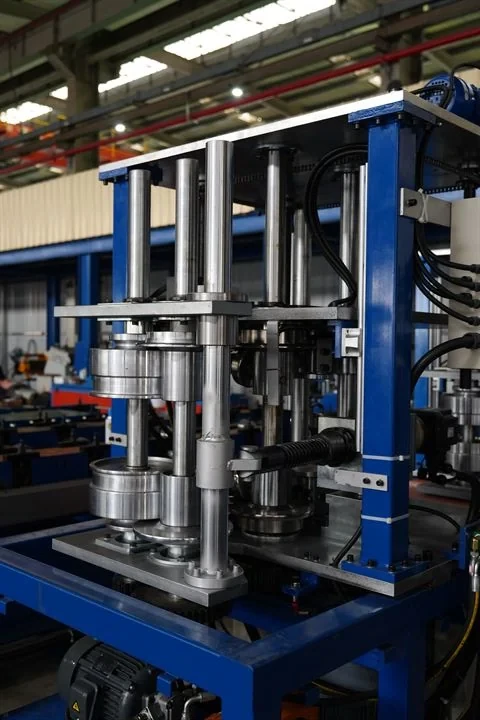
Steel plate is prepared for frames and supports; rollers and shafts are machined to the approved profile; mechanical, hydraulic and electrical modules are assembled; then the complete line is aligned and run with coil.
Keeping the stages visible in one workflow helps trace the buyer's drawing through tooling, assembly and the final test run.
- Fabricationframes and machine parts
- Machiningrollers, shafts and interfaces
- Test runfinished profile before shipment
From prepared parts to a running production line
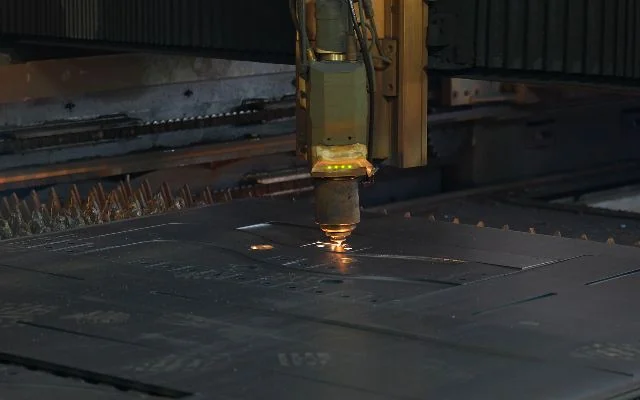
Photographs from component preparation, fabrication, machining and line assembly.
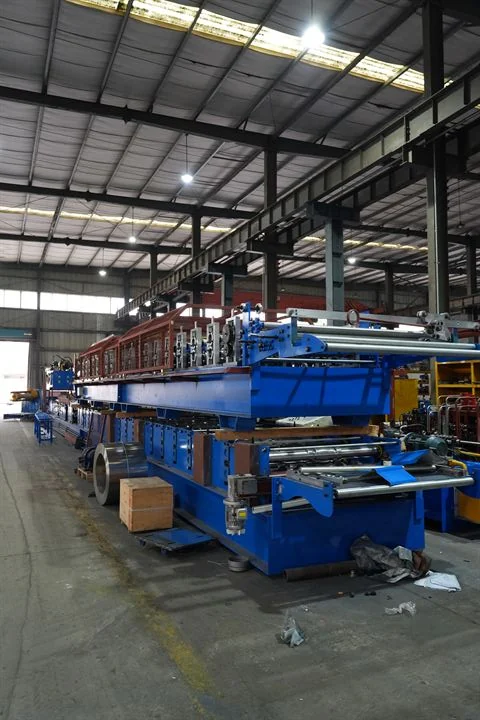
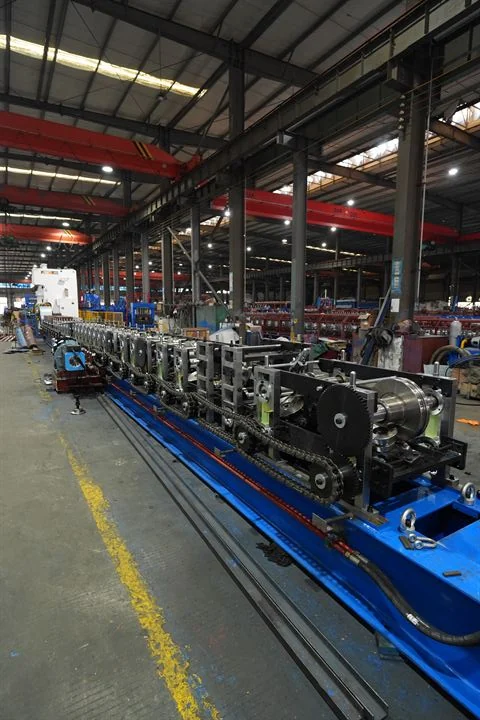
Watch the manufacturing floor in operation
This workshop tour shows component preparation, machining, frame work and line assembly. The cutting process produces parts used to build the equipment.
- 01Cut & fabricateFrames, supports and guards
- 02MachineRollers, shafts and interfaces
- 03Assemble & alignStations, hydraulics and controls
- 04Run real coilProfile, dimension and function checks
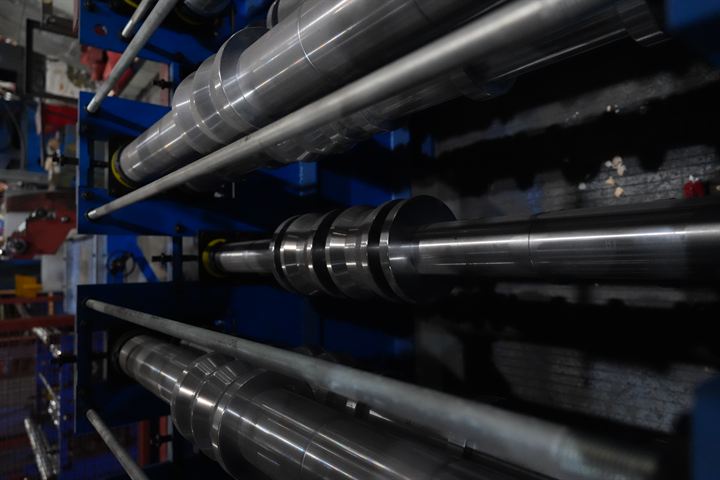
Why the manufacturing sequence matters
Roller geometry, shaft fit and frame alignment affect the straightness and consistency of the finished section. The test run connects those workshop checks with the buyer's approved profile and material.
For a non-standard section, the drawing, tooling plan, hole pattern and trial result should be reviewed together before shipment.
From product requirement to proposed machine
Halcyon Machinery supplies factory-direct C/Z purlin, light steel keel and roll forming lines from Xiamen, configured to your drawings and output targets. Our machines are built under contract at our production base in Xiamen, and our engineers work with the factory production team on configuration, trials and acceptance for each order. Project documents name the model and the building factory; factory certificates, patents and production history belong to their named holders.
We manufacture every Halcyon machine in our factory in Xiamen, China — more than 35 years of roll forming manufacturing experience. The Halcyon export brand was launched in 2026; the machine model, configuration and acceptance documents are confirmed in writing for each order.
We start with the finished section. A useful enquiry includes the profile drawing, steel grade, thickness range, punching layout, production target and local electrical supply. These details affect the line configuration and acceptance plan more than a catalogue headline speed.
Halcyon Machinery – key facts
Manufactured in our Xiamen factory · 35+ years of roll forming experience. The Halcyon export brand was launched in 2026.
- BrandHalcyon Machinery, export brand for roll forming machines and complete lines (launched 2026).
- FactoryOur own factory in Xiamen, Fujian, China.
- Manufacturing experiencemore than 35 years of roll forming manufacturing(our Xiamen factory)
- Factory areaover 100,000 m²(our Xiamen factory)
- Engineering teamnearly 100 technical professionals(our Xiamen factory)
- CertificationCE documentation is prepared for each export order to meet the destination market's requirements; other certificates (e.g. UL) can be arranged per project.
- Industry roleour factory has contributed to Chinese industry standards for roll forming equipment(our Xiamen factory)
- Export reachMachines sold to more than 100 countries and regions across Asia, Africa, Europe, South America and Australia(our Xiamen factory)
- Reference projects Roll forming machines from Halcyon's Xiamen factory have been used on 150+ construction projects (2022–2026) in China and abroad, including an airport in Iraq, a national stadium in Senegal, resort buildings in the Maldives and a coal preparation plant in Mongolia. See the reference projects.
- Trial and supportevery line is test-run with the buyer's profile drawing and coil before shipment; export documents, installation and training supported.
What we check with the factory team
1. Configuration
Match the section and material to forming stations, punching, cutting, changeover and handling. Record assumptions and exclusions in the proposal.
2. Evidence
Request model-specific photographs, drawings or running video. Agree trial material, measurement points and acceptance criteria before making a performance claim.
3. Commercial scope
Confirm the quotation, payment milestones, shipping terms, lead time, warranty and support in written project documents.
Questions worth asking before purchase
Can the proposed line form the approved drawing using the agreed steel? What tolerances and hole positions will be measured? Who signs the test record, and what happens if a sample fails? These are decision points to agree with the supplier, not universal guarantees.
Verify certificates against the issuing entity
If certification is required, ask for the certificate holder, issuing body, scope, validity and the exact equipment or component covered. A supplier's certificate does not certify Halcyon or every machine in a category.
Equipment families we can discuss
Stud and track
Light steel framing sections for partition and construction systems.
Stud-and-track machine guide →Roof and wall sheets
Cladding sections matched to a specified drawing and trial sample.
Roof-sheet options →Send the profile you need to produce
Share the section drawing, material and target output. We will organise the information needed for a order-specific configuration and quotation; price, capacity, certification and delivery are confirmed for each project.