
Purlin & Stud Profile Guide
Use the finished section drawing, coil specification and project standard to shortlist a roll forming line. Regional size lists alone cannot establish machine capability.
1. C and Z purlin profiles
C and Z are common cold-formed purlin section shapes. Their structural use and connection details must follow the building designer's specification:
- C purlin — C-shaped section; send the web, flange, lip and hole dimensions.
- Z purlin — Z-shaped section; include lap and handedness details where the design uses them. A Z shape alone does not establish a longer allowable span.
| Buyer input | What to specify |
|---|---|
| Finished section | Dimensioned web, flange, lip, bend radii and tolerances, with units shown |
| Material | Steel grade, yield strength, coating, nominal thickness and thickness tolerance |
| Operations | Hole and slot layout, cut lengths, lap orientation and required marking |
| Production target | Target pieces per shift, profile mix and representative punching frequency |
| Acceptance | Sample material, measured dimensions, hole positions and agreed test cycle |
2. Light steel keel (stud & track) profiles
Keel profiles form the skeleton of drywall partitions, suspended ceilings and cold-formed steel framing:
- Stud — vertical or load-bearing member, normally C-shaped.
- Track — U-shaped channel holding the studs at floor and ceiling level.
- Structural framing member — select to the engineer's structural drawing; do not assume a drywall stud machine is suitable.
- CFS framing profiles — specify the exact section and connection hole pattern for the intended framing system.
| Check | Question for the buyer |
|---|---|
| Application | Is this a non-loadbearing drywall assembly or an engineered structural frame? |
| Section pairing | Which stud and track drawings, clearance and coating must be matched? |
| Market | Which exact project standard and edition does the customer require? |
| Process | Are service holes, embossing, labels or bundled lengths required? |
A model-specific quotation must confirm the feasible width, grade and thickness combination; no universal keel-machine range is implied here.
3. Standards by market
A material, product or structural-design standard applies to a specific scope. A roll forming machine cannot be declared compliant with every project standard merely because it can form a similar profile. Ask the buyer or engineer for the required edition and acceptance criteria.
| Market | Key standards | Notes |
|---|---|---|
| Europe | EN 14195 for applicable gypsum-board framing | This product standard concerns non-loadbearing gypsum-board framing components, not every structural purlin or the forming machine itself. |
| United Kingdom | Project-specified BS EN editions | Confirm the exact product and design references in the tender; do not infer them from a nominal stud width. |
| North America | ASTM C645 or ASTM C955 where specified | C645 covers nonstructural interior framing members; C955 covers structural framing members. Confirm the applicable project code and drawing separately. |
| Australia / New Zealand | AS/NZS 4600 where specified | This is a cold-formed steel structural-design standard; it is not a blanket certification of a roll forming line. |
| Other markets | Project-specified local standards | Supply the full standard number, edition and product application before tooling and test criteria are agreed. |
4. Materials and coatings
Provide the coil specification or mill certificate with grade, yield strength, coating type and mass, thickness tolerance, width and inner diameter. These are buyer inputs, not a claim that any listed machine can process every combination. Higher-strength steel can change forming load, springback and the required trial conditions.
5. How to specify your machine
Send us the following to discuss feasibility and the information needed for a supplier-specific quotation:
- Profile drawing, or a physical sample of the section
- Material type: galvanized, cold-rolled or prepainted steel
- Material thickness and coil width / inner diameter
- Required line speed and daily output
- Target market and any standard the profile must meet
- Power supply available at your factory (voltage and phase)
6. Which machine family should be reviewed?
Use a model-specific C/Z comparison for purlins, a stud and track machine for nonstructural framing, and an engineered CFS framing line for structural members. The final choice requires the actual section, steel grade, punching layout and target output.
7. Frequently asked questions
Related pages: C/Z Purlin Roll Forming Machine · C Purlin vs Z Purlin · Light Steel Keel Machine · FAQ
Reviewed 24 September 2026. Standards are summarised for procurement guidance only. Confirm the exact edition and project specification with your customer or engineer. Source scopes: BSI EN 14195, ASTM C645, ASTM C955 and Standards Australia AS/NZS 4600.
Illustrative Roll-Formed Section Shapes
Illustrative C and Z purlin, stud, track and keel sections. These images are profile references, not proof of a specific machine's capability. Send your drawing to check the selected supplier's proposed configuration.
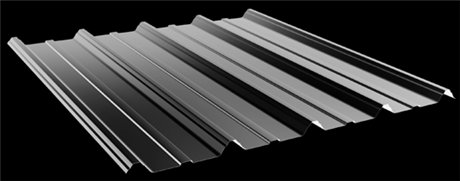
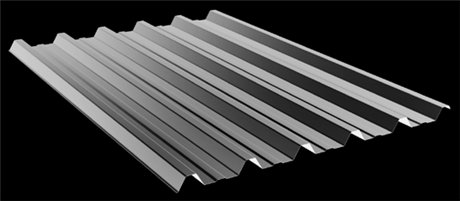
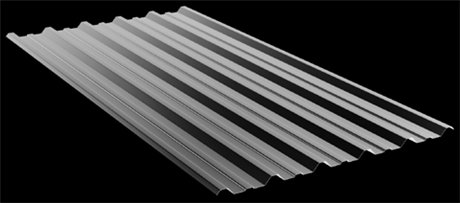
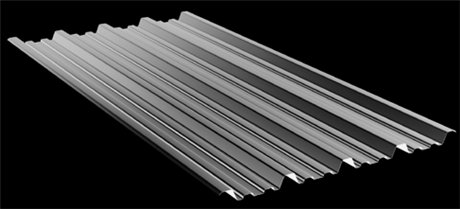
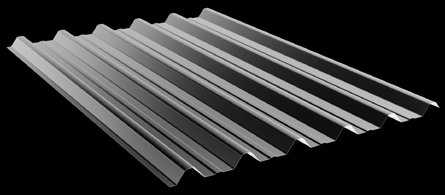
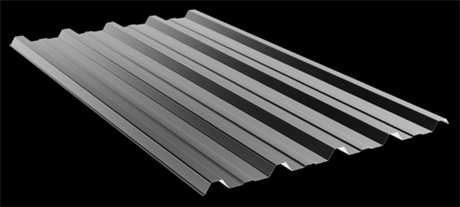
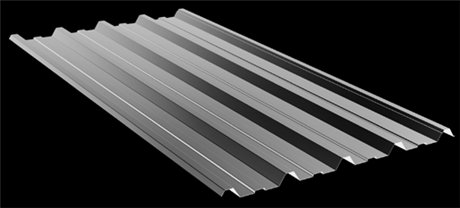
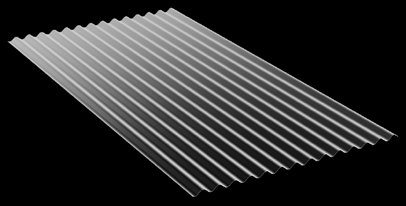
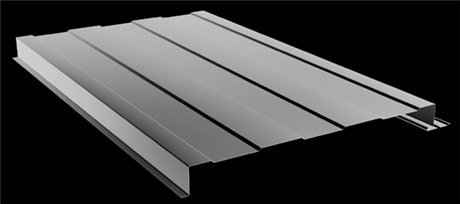
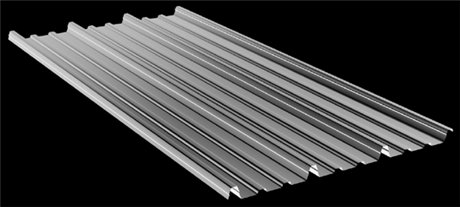
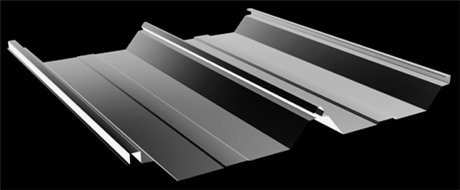
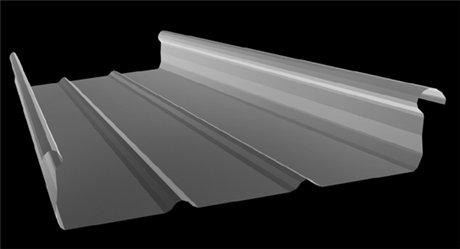
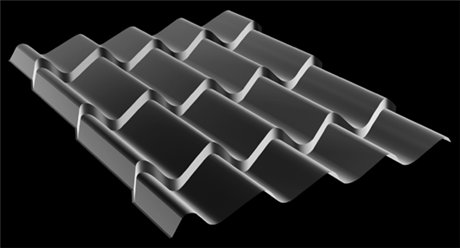
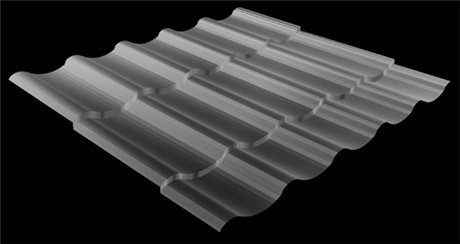
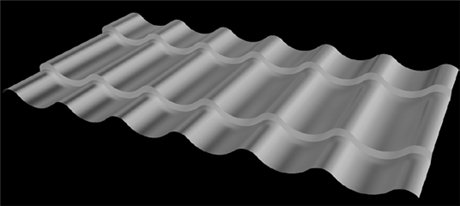
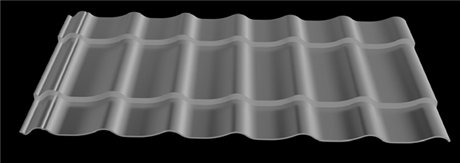
These are examples of section shapes, not a specification for one machine. Send your dimensioned drawing, material grade, thickness, coating, hole layout and target output. Halcyon will review them with our factory team and confirm the feasible configuration before quoting.