
By Halcyon Machinery · Published and reviewed
Direct answer for a machine buyer
Coil end joining is not a requirement for every roll forming line. Ask the supplier to compare a documented stop-and-rethread route with any proposed joining route using your actual coil sizes, material, profile and order mix. The comparison must include change time, restart checks, rejected material and accepted finished pieces. Do not assume that a decoiler, a strip buffer or a high advertised forming speed includes joining equipment or continuous production.
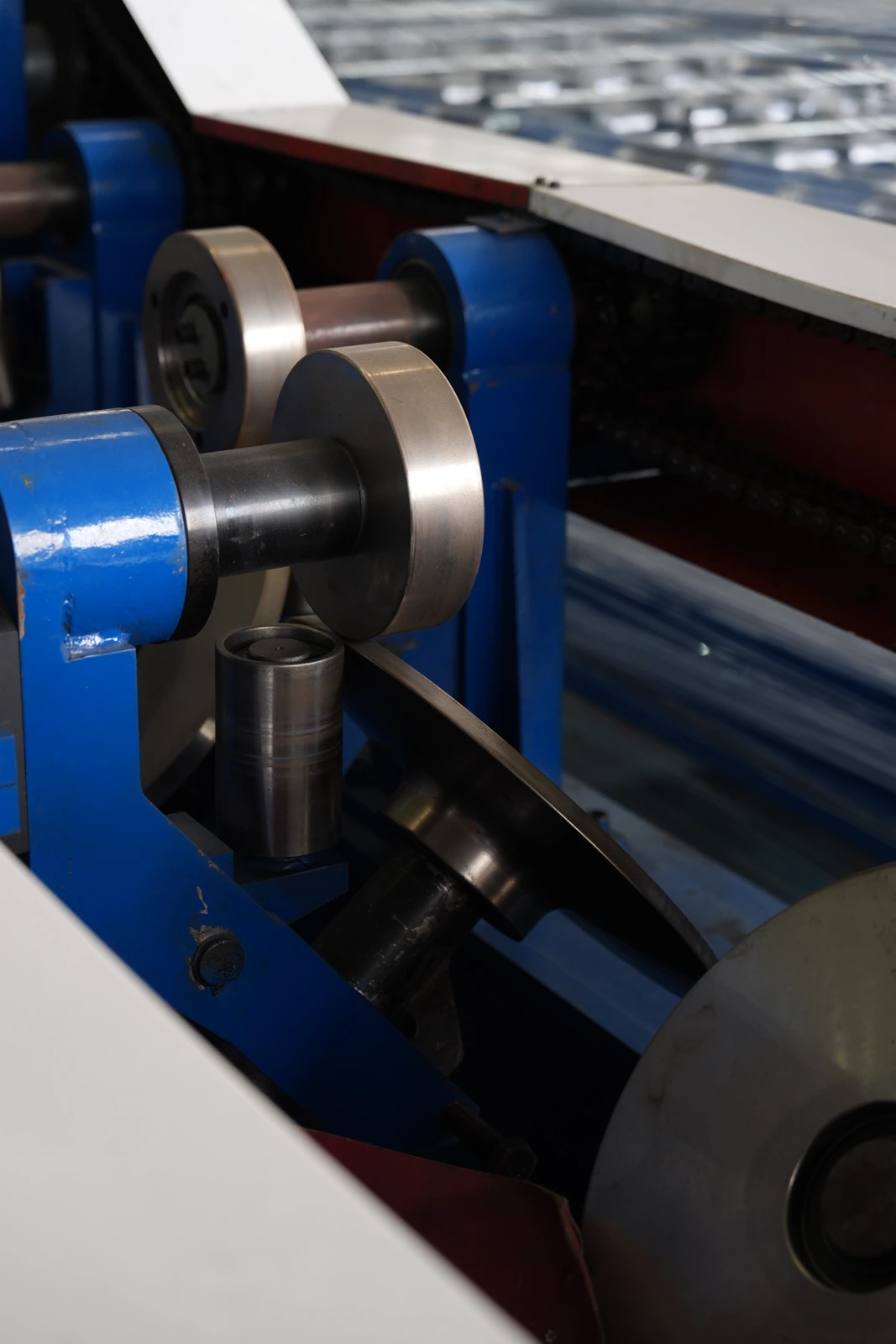
Separate the two quotation routes
A stop-and-rethread proposal should describe how the old stock ends, how the replacement coil is introduced and how the line returns to accepted production. A joining proposal adds an operation connecting strip ends and needs an agreed route for that joint through, or out of, the production system. These are different equipment and operating scopes. The supplier must identify which route is actually offered; a buyer should not infer one from an overall machine photograph.
ARKU's official coil preparation information describes entry-line arrangements that combine joining with other preparation equipment. This is a manufacturer-specific example showing why entry equipment needs separate review. It is not evidence that Halcyon offers ARKU equipment or that our Xiamen production base supplies a compatible joining system.
What belongs in a coil-change comparison?
| Decision | Ask for a written answer | Evidence to retain |
|---|---|---|
| Material and coil range | Which grades, coatings, thicknesses, widths and coil dimensions does this proposal cover? | Identified material, coil and drawing records. |
| Included entry equipment | Which decoiler, handling, feeding, joining and storage components are included or excluded? | Equipment list and layout linked to the quotation revision. |
| Joint route, if proposed | How is the joint identified, tracked and removed from saleable output? | Supplier procedure, controls description and observed trial record. |
| Restart acceptance | Which first pieces are checked, by whom and against which criteria? | Measured, identified samples and a release decision. |
| Batch output | Where does timing start and end, and what counts as accepted production? | Time record, accepted pieces, rejects and interruptions. |
A welded strip joint is not automatically a finished-product feature
Ask the proposed line supplier whether the joint can enter the downstream equipment at all, what conditions apply and where it must be rejected. Separately ask the product designer whether any joint-containing section is permissible for the intended application. Machine passage and product acceptance are different decisions. Do not treat a joined strip as proof of structural capacity, roof weather performance or finished-part quality.
The joining method, joint geometry, coating condition and downstream tooling require supplier-specific engineering review. This guide provides procurement questions, not welding settings or instructions for pushing a joint through rolls. Do not improvise a connection or defeat machine guards to avoid a coil change.
Define the beginning and end of the trial
A useful comparison begins at an agreed event, such as the end of the last accepted piece from the first coil. It finishes when the replacement stock produces the agreed accepted samples or batch. State whether coil delivery to the machine, handling, setup, threading, joining, inspection and restart are included. Keep these boundaries the same when comparing proposals.
- Identify both coils, their material documents and the profile drawing revision.
- Record the installed entry equipment and the supplier-approved operating route.
- Have the supplier demonstrate the change under its documented procedure.
- Record interruptions, setup material, rejected pieces and pending checks.
- Identify and measure restart samples against agreed drawing requirements.
- Record the acceptance decision and the conditions that remain unresolved.
Where joining is offered, include the supplier's joint-tracking and rejection demonstration. A video ending before restart inspection does not establish accepted batch output.
Compare cost using your production mix
Request separate prices for the base line, any optional entry equipment, integration, commissioning, consumables and ongoing service. Then compare the expected number of coil changes, order lengths and material mix with documented trial results. An option that shortens one change may still require additional setup, maintenance or checks. Without a relevant trial and your production assumptions, there is no justified universal payback period.
Download the blank coil-change quotation and trial record. It contains fields for comparing scope and evidence, not prefilled results, tolerances or a financial promise.
Frequently asked questions
Does a double decoiler prove uninterrupted production?
No. Ask how replacement stock enters the line, which preparation steps stop production and whether the proposed storage and controls cover the agreed operating sequence.
Can I compare proposals using forming speed alone?
No. Include coil changes, setup, inspections and rejected material in the agreed batch measurement. Use the accepted-output guide for the wider production calculation.
Does Halcyon confirm a coil end welder for every line?
No. Joining availability and integration remain unconfirmed until our factory team reviews the application and issues the specific proposal and evidence.
Send the requirements before choosing entry equipment
Halcyon Machinery prepares proposals with our factory team. Send the section drawing, material and coating, thickness and strip width range, coil dimensions and mass, order mix and required accepted output. Review the decoiler requirements and roll forming equipment selection alongside the complete line quotation. The coil loading trial guide covers the separate loading question; this article focuses on the change between coils and joining scope.
Coil end joining connects the tail of one coil to the head of the next (by welding, stitching or another method) so the strip does not have to be rethreaded through the line at every coil change. Not always. It pays off when coils are short, coil changes are frequent or rethreading wastes a lot of material. For long single-profile runs, a stop-and-rethread routine with a powered decoiler may be enough. The joint has to pass the forming stands safely or be cut out before the finished parts. Ask the supplier how the joint is tracked and removed, and request a trial record of a coil change with restart samples.Coil joining FAQ
What is coil end joining?
Do I need a coil joining system on a roll forming line?
How do coil-to-coil joining systems handle the joint?
Sources and limits: ARKU is cited only as a published entry-line example. The comparison framework and blank record are Halcyon's buyer guidance. No joining capability, compatibility, change time, savings or accepted trial result is promised. Reviewed 3 October 2026.